Hard alcohol, often referred to as spirits, is a concentrated form of ethanol, typically containing 40% to 50% alcohol by volume (ABV). This high alcohol concentration means that even small servings pack a caloric punch. For instance, a standard 1.5-ounce (44-milliliter) shot of 80-proof vodka contains approximately 97 calories. While this may seem modest compared to sugary cocktails, the calories from hard alcohol are “empty,” meaning they provide no nutritional value. Understanding this caloric content is crucial for anyone monitoring their weight or overall health. Eliminating or reducing alcohol consumption is a common dieting behavior.
How Much Alcohol Do You Need to Drink to Gain Weight?
We all know that what we eat plays a huge role in our weight, but what about the things we drink? While a boozy beverage may seem like it doesn’t do much to affect your body weight, the energy in liquid Halfway house calories can very quickly add up. A standard 1.5-ounce (44ml) shot of 80-proof hard alcohol contains approximately 97 calories, with no carbs or sugar, but mixers can significantly increase the calorie count.
Alcohol and calories
This comprehensive overview will discuss how alcohol affects body weight, what signs of addiction to look for, and more. Drinking too much wine can lead to the overconsumption of calories and possible weight gain. In addition, excess alcohol intake may hinder how your body burns energy and fat. While no specific amount of alcohol directly causes weight gain, alcohol consumption combined with a sedentary lifestyle and poor eating habits can lead to increased body weight.

What Success Looks Like in 30 Days
Since alcohol provides “empty” calories without nutritional value, does alcohol make you gain weight excess consumption can lead to a calorie surplus. The surplus energy often converts into stored fat around the abdomen and liver areas. Moreover, drinking alcohol may lower your metabolic rate slightly because the liver’s energy is diverted to processing the alcohol rather than metabolizing other nutrients efficiently. Alcohol metabolism differs from other nutrients because your body treats it as a toxin that needs to be eliminated quickly. When you drink whiskey, your liver prioritizes breaking down alcohol over burning fat or carbohydrates.
Furthermore, wine provides slightly more calories than most hard liquors and light beers but usually fewer calories than heavy beers. On the other hand, heavy alcohol use is defined as drinking four or more drinks for women and five or more drinks for men on a single occasion on 5 or more days in a month (15). A drink is defined as 14 grams of alcohol, which equates to 12 ounces (355 mL) of beer, 5 ounces (148 mL) of wine, or 1.5 ounces (44 mL) of hard liquor (15). It’s common to enjoy a glass of wine as you catch up with friends or unwind after a long day, but you may wonder whether drinking too much wine can cause you to gain weight.
What’s the best way to tackle weight loss without crash dieting?
So, if you’re eating pizza or even a light salad with your cocktail, the calories from that food get stored as fat instead of burned for energy. Diet culture has long vilified alcohol as a major contributor to weight gain. This is one of the reasons sales of spiked seltzers, with their relatively low calorie counts, have increased so dramatically in recent years. But while alcohol is not exactly a health elixir, when it comes to its impact on weight, it’s not a guilty pleasure we should feel all that guilty about. This is because factors like gender, exercise habits and body type make it tricky to produce solid evidence 4.
Lifestyle Quizzes
- Further, studies show that alcohol temporarily inhibits “lipid oxidation”— in other words, when alcohol is in your system, it’s harder for your body to burn fat that’s already there.
- Yes, mixed whiskey drinks like whiskey sour or whiskey with cola contain added sugars and extra calories.
- Alcohol does not only make you gain weight but also impacts your weight loss by stopping your body from burning fat.
- Alcohol use has long been known to alter hormone levels, especially testosterone.8 Testosterone has a wide range of effects on your body, including the mass regulation of fertility and bone mass.
- One night out with several drinks can match, or even exceed, the calories in a full meal.
If you plan to drink alcohol while taking Jakafi, ask your doctor how much, if any, is safe. Your doctor will check your blood cell counts before you start and throughout your treatment https://ecosoberhouse.com/ with Jakafi. If you have symptoms of thrombocytopenia, call your doctor right away. They’ll diagnose your condition and treat your low blood cell counts if needed. In some cases, they may lower your dose of Jakafi or stop it temporarily. If you’re having bothersome muscle spasms during your Jakafi treatment, call your doctor.
Take note: Alcohol is not a diet food
Even though someone who engages in heavy drinking could be gaining weight, specifically, fat mass, they can also be losing muscle mass, which will lower their BMI. Still, to help reduce excess belly fat, moderate your intake and enjoy other beverages with lower sugar content, such as water, unsweetened iced tea, or sparkling water with a wedge of lemon or lime. Sleep is important for many aspects of your health, including weight. Studies show that not getting enough sleep may be linked to a higher risk of obesity and increased belly fat for some groups. Reducing your carb intake can be very beneficial for losing fat, including abdominal fat. In fact, low carb diets may cause belly fat loss in people with overweight, those at risk for type 2 diabetes, and people with polycystic ovary syndrome (PCOS).
- However, men do tend to put on weight around their abdominal area, because it’s the default spot for fat cells to accumulate.
- According to the NHS, alcohol can contain around seven calories per gram which is around the amount found in a gram of fat.
- Over the course of the night, this could mean consuming fewer bevvies and fewer calories.
- Walking, pilates, or other mindful physical exercises can provide a calming and healthier alternative.
- Reducing your carb intake can be very beneficial for losing fat, including abdominal fat.
Wine is one of the most popular alcoholic beverages in the world and a staple drink in some cultures. If you’re struggling to lose weight, LifeMD’s Weight Management Program can provide the guidance and support you need to reach your goals. The program offers patients access to ongoing clinical care and GLP-1 medication, when medically appropriate, to help you lose weight and keep it off. When you stop drinking, your body may replace one habit with another, so weight loss isn’t guaranteed. The combination of emotional eating and increased appetite from medication can make managing weight more challenging for those struggling with depression. Additionally, medications such as antidepressants commonly prescribed for depression can contribute to weight gain by increasing appetite.
Consider a weight loss program
Instead of crash dieting, there are plenty of more sustainable ways to tackle weight loss — here are just a few. The survey also highlighted that the day after passing their tipping point, 50% of people cancel planned physical activity, often replaced with sedentary activities such as watching TV or staying in bed. These numbers are significant; alcohol is a very high-calorie product and provides 7 calories per gram. If you’d like to give us a go, click here to try our weight loss calculator to see how much you could lose with Second Nature. Drinking actual alcohol leads to dehydration, as many of us already know (11).
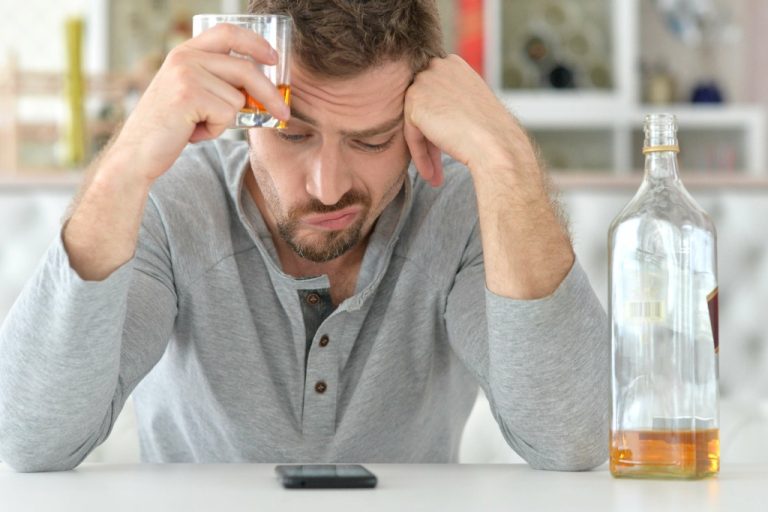
This study suggests that alcohol can actually trigger hunger signals in the brain, leading to an increased urge to eat more food. Because it lacks nutritional value beyond calories, relying heavily on whiskey for energy is detrimental for overall health and weight management goals. It’s also important to note that some people might be genetically predisposed to gaining weight faster when consuming alcohol regularly due to differences in enzyme activity involved in alcohol metabolism. For some people, the safest choice for both weight and health is to cut alcohol down sharply or remove it. This group includes people who are pregnant, people with certain medical conditions or medications that clash with alcohol, and anyone with a history of alcohol use disorder.
If so, they may lower your dose or temporarily have you stop Jakafi until your blood cell counts recover. For serious anemia, they’ll recommend treatment options such as blood transfusions, if necessary. Before you start taking Jakafi, your doctor will order a complete blood count (CBC). Then they’ll order blood tests every 2 to 4 weeks until your dosage of Jakafi is consistent. They’ll continue to monitor your blood cell counts periodically for as long as you’re taking this medication.